Municipality Sustainability Initiatives
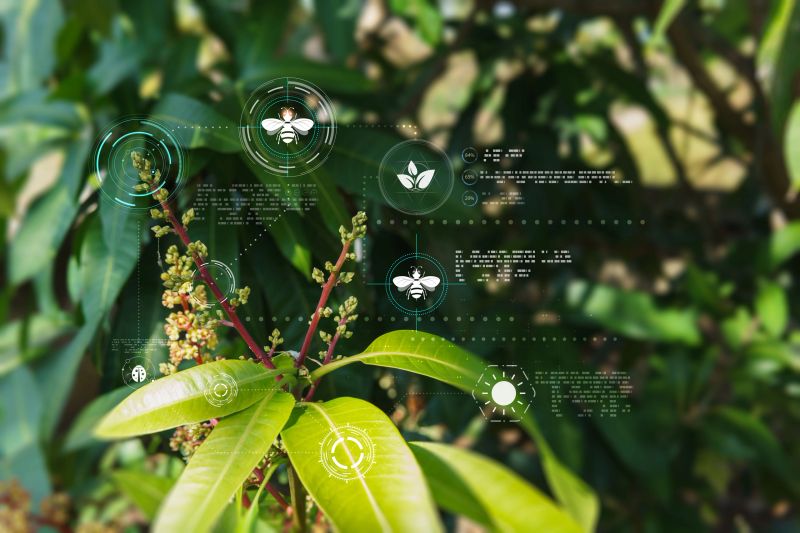
Utilize AI technology to continuously monitor bee health, providing real-time insights to enhance local biodiversity efforts.
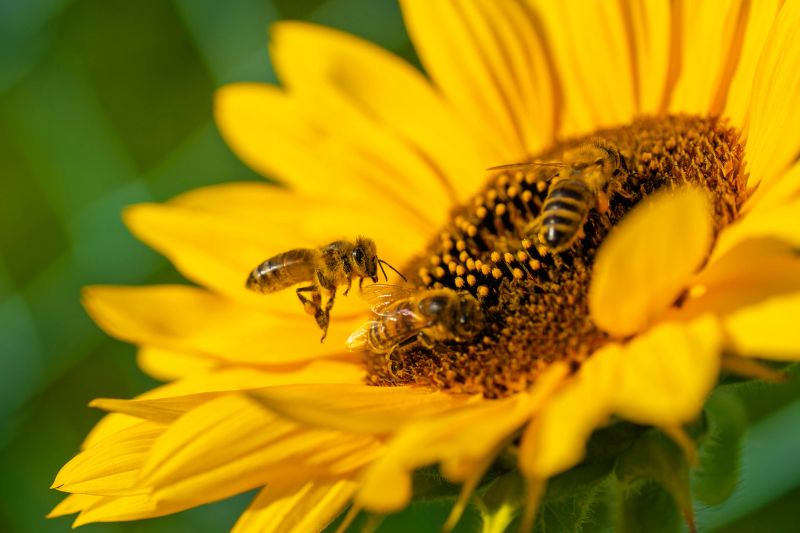
Engage communities with education programs that promote understanding of pollinator roles in sustainable agriculture.
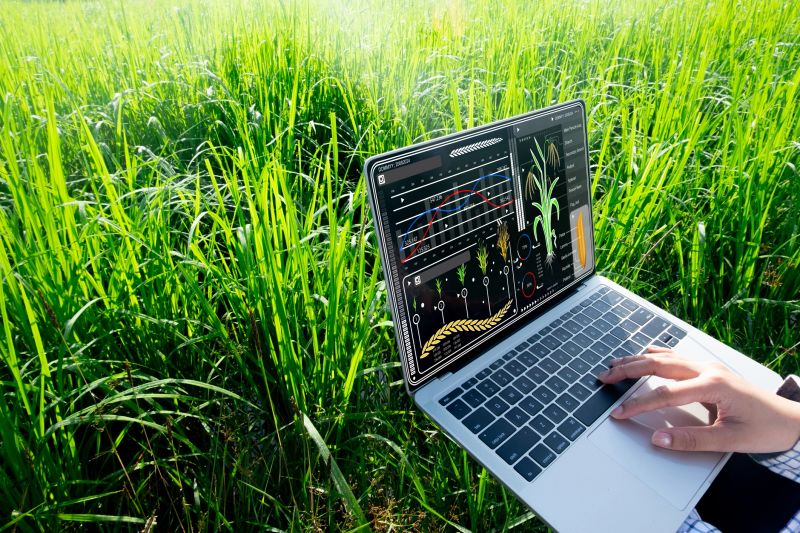
Leverage environmental health data to inform policymakers and organizations for effective regional sustainability initiatives.
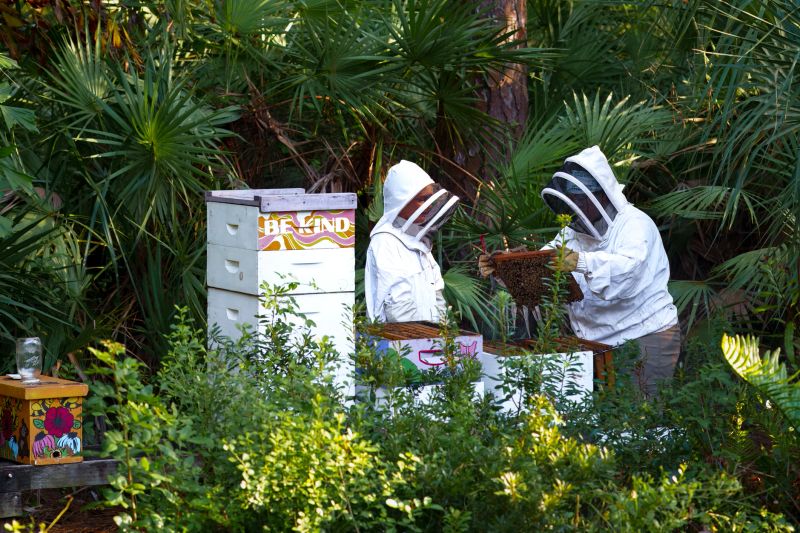
Support projects aimed at restoring natural habitats, crucial for healthy bee populations and diverse ecosystems.
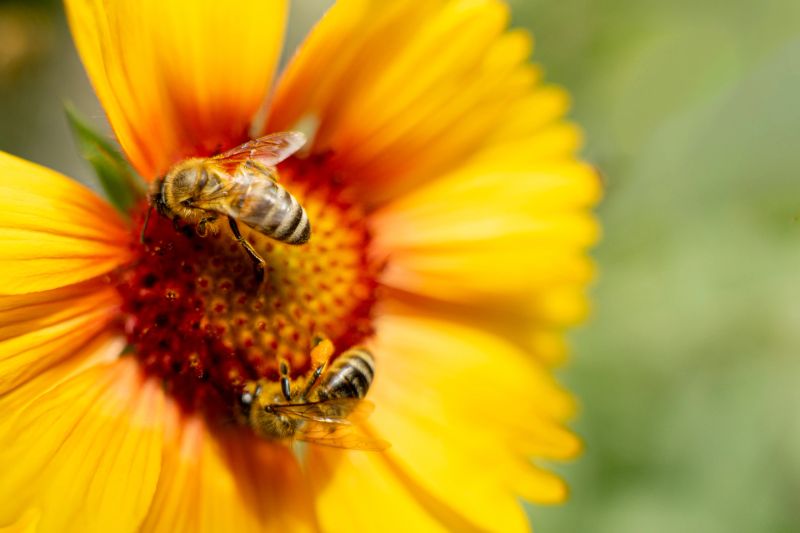
Hands-on training for budding beekeepers, fostering local expertise and appreciation for bee stewardship.
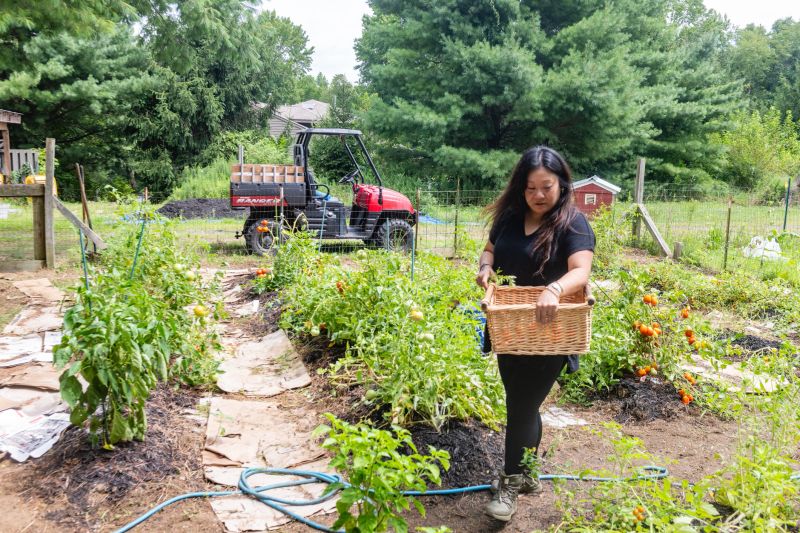
Collaborate with municipalities to develop vibrant community gardens that serve as habitats for bees and other pollinators.
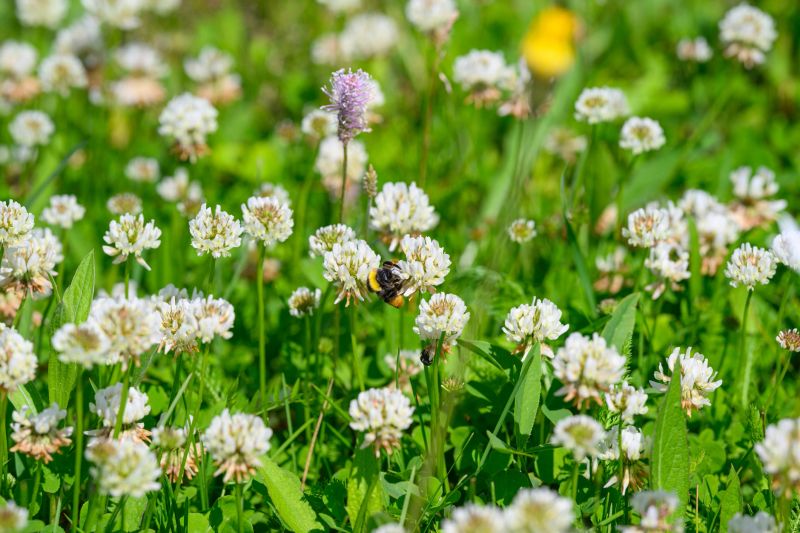
Consult with local farms on adopting sustainable practices that benefit both agriculture and pollinator health.
Sustainability Metrics You Can Count On
How Municipalities Can Turn Bees into a Competitive Advantage
Counties have a rare chance to turn small policy shifts into outsized gains for climate resilience, local economies, and public reputation by encouraging companies to host bees on unused land and rooftops. When they do, they don’t just add flowers and hives—they plug their communities into a living, global data network.
Why counties should incentivize hive hostsWhen counties offer tax breaks, fee reductions, or faster approvals for projects that include bee habitat, they:
- Turn “dead” space into green infrastructure. Five acres per golf course, wildflower plantings in unused corners of business parks, and pollinator strips along warehouses or rail lines add up to miles of habitat and cooler, more resilient landscapes.
- Attract more outside funding. Counties with visible pollinator corridors and data‑rich projects are better positioned to win federal and state grants focused on biodiversity, climate adaptation, agriculture, and green infrastructure.
Every participating site becomes a node in the Global Pollinator Index—a local listening post feeding into a worldwide picture of environmental health. The more hive sites a county supports, the higher it climbs in the Index hierarchy and the more insight it can access and showcase.
Economic development and business appealA pro‑pollinator policy can become part of your economic development pitch: “Locate here and get streamlined approvals and tax benefits when you build climate‑smart, pollinator‑friendly campuses.” Companies increasingly look for communities that align with their ESG commitments, and counties that support rooftop hives, golf‑course habitat, and pollinator‑friendly industrial parks signal they are serious about sustainability and innovation—making it easier to attract new employers.
Being highly ranked in the Pollinator Index further strengthens that pitch. Counties with many active nodes can demonstrate data‑backed environmental leadership, giving them a distinctive story for investors, residents, and climate‑conscious businesses.
Planning, permitting, and resilienceFaster approvals for developments that include bee homes and native wildflower areas give developers a simple, visible way to earn goodwill and move projects forward. Pollinator habitat improves stormwater absorption, reduces heat‑island effects, and supports local agriculture—helping counties meet their own climate and resilience goals without having to buy or maintain all the land themselves.
Because each hive site is instrumented and connected, counties also gain real‑time signals about local ecosystem stress and change, helping planners make smarter, faster decisions on land use and resilience.
A practical municipal win‑winBy offering tax incentives, expedited permitting, and recognition programs for companies that dedicate roofs and unused land to bees and wildflowers, counties:
- Multiply pollinator habitat at minimal public cost.
- Unlock new federal and state funding streams tied to nature and climate.
- Climb higher in the Global Pollinator Index by adding more active nodes across their territory.
- Make themselves more attractive to employers and residents who care about the future of their environment.
It’s a simple policy lever that turns private land into a distributed environmental sensor network, elevates a county’s standing in a global index, and creates a visible symbol of a community’s commitment to a livable future.