
AI Driven Bee Homes
AI Technology for Bee Health Monitoring
AI is transforming every industry, and bee technology is no different. Bees are a keystone species and powerful indicators of how healthy a region really is. When a hive struggles, it can signal problems ranging from pesticides and habitat loss to climate stress. By placing a consistent, AI‑driven monitoring system in hives across every county in the U.S., we can turn each colony into a sensor — building a shared picture of regional environmental health.
Location, location, location...
To truly understand pollinator health at scale, we need as many locations as possible. The more places we can establish AI-driven bee homes and monitoring points, the clearer the picture we can build of regional environmental health. That opportunity is already all around us. Five acres on a golf course, unused land around office buildings, underutilized corporate campuses, rooftops, and other overlooked spaces can all become part of a living pollinator network. Research and conservation programs have shown that golf courses can support pollinator habitat in out-of-play areas, while rooftops and urban green spaces can become valuable pollinator hot spots in cities
So much unused space everywhere!
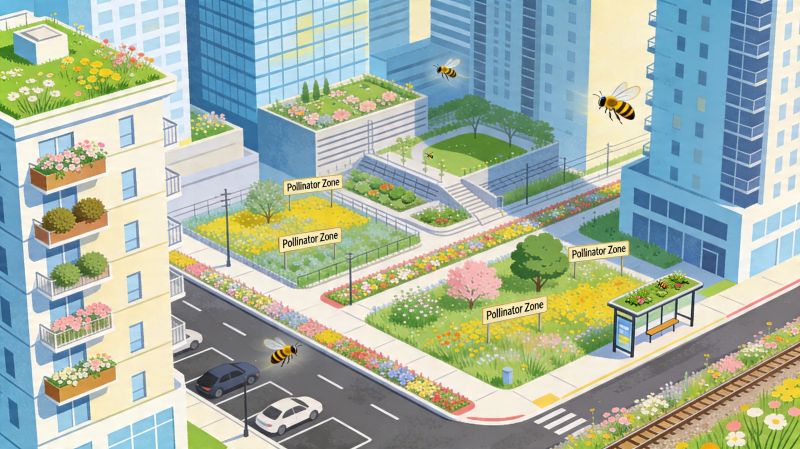
So much of every city is sitting idle – and it’s exactly where bees can thrive. Rooftops, balcony railings, building setbacks, medians, parking‑lot edges, even the tops of bus shelters can all be transformed into living corridors of flowers and forage. What looks like “wasted” concrete or a forgotten strip of grass becomes powerful when it’s planted with native blooms and managed as dedicated pollinator habitat.
Under “So much unused space,” we invite people to see their city through a different lens: not as a place with “no room for nature,” but as a patchwork of hidden opportunities. A single planter on a balcony, a narrow bed along a sidewalk, or a micro‑meadow on a flat roof may feel small on its own, yet together they stitch a network that feeds bees, supports biodiversity, and softens the urban landscape. This is the mindset shift GPI champions—unlocking the overlooked spaces all around us and turning them into thriving pollinator sanctuaries.
Bee Allies
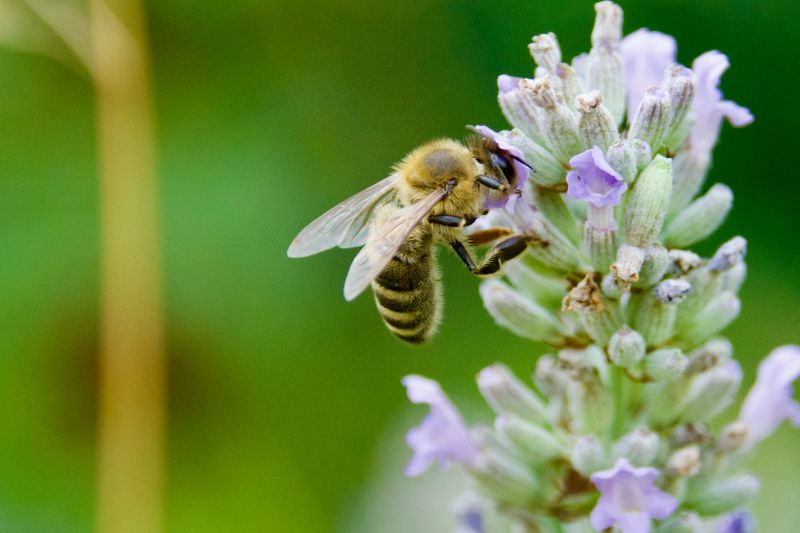
Hive Hosts are organizations that open their spaces to living, working bee colonies. By welcoming hives onto rooftops, courtyards, campuses, and other underused areas, Hive Hosts help transform ordinary sites into vibrant pollinator habitats. These partners become visible champions for biodiversity, climate resilience, and community education—showing employees, customers, and neighbors that meaningful environmental action can happen right where they work and gather.
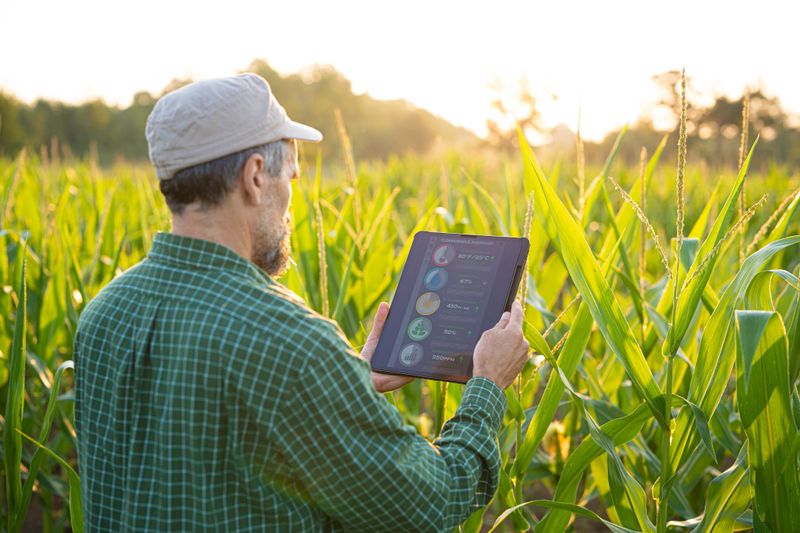
Municipalities can play a powerful role by recognizing and rewarding businesses that make space for bees. Through simple incentives—like public recognition, smoother permitting, or small fee reductions—cities can unlock rooftops, courtyards, and other visible spaces as pollinator habitat.
By backing Hive Hosts, local governments turn underused urban land into a network of micro‑reserves that support biodiversity, cool hard surfaces, and engage residents. These incentives signal that caring for pollinators is not just a private choice, but a shared civic priority built into how the city grows.
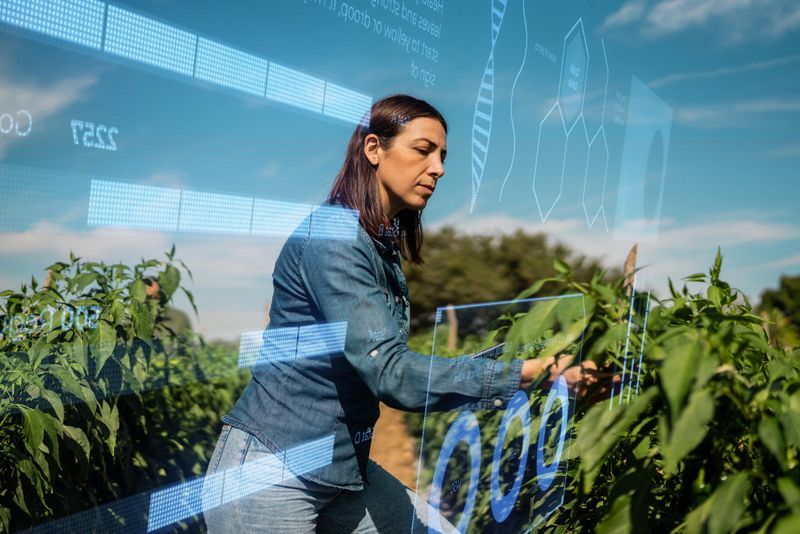
Technology companies can be vital stewards of bee data, securely hosting and analyzing information from smart hives and pollinator monitoring networks. They turn raw sensor readings into clear insights on bee health and environmental change across regions.
When paired with AI, these tools can flag early signs of stress or disease, track biodiversity shifts, and reveal trends no single beekeeper or city could see alone. By offering accessible, visual dashboards, tech partners empower Hive Hosts, municipalities, and researchers to act together on data‑driven strategies that protect pollinators worldwide.
Frequently Asked Questions about GPI
What is the AI-driven bee home and how does it work?
Our AI-driven bee home is a smart habitat designed to monitor bee health in real-time. Utilizing advanced sensors and AI technology, it collects data on factors like temperature, humidity, and activity levels, allowing you to ensure optimal living conditions for the bees.
How can I monitor bee health using your technology?
You can access a user-friendly dashboard that displays real-time health metrics and trends of your bee population. The AI analyzes data to alert you of any anomalies or potential health issues, enabling proactive management.
What kind of support do you offer for users of the bee home?
We offer comprehensive support, including installation assistance, user training, and a dedicated customer service team available to answer your questions. You can also access a library of resources and community forums for additional guidance.
What is the cost of the AI-driven bee home?
Cost of bee homes is personalized to each company. Ask for more details.
Can this technology be used for commercial purposes?
Absolutely. Our technology is designed for both individual and commercial users, providing scalable solutions for beekeepers of all sizes. Whether you manage a small hive or a large apiary, our system adapts to meet your needs.
How does GPIBee Live utilize AI to monitor bee health and environmental conditions?
GPI uses advanced artificial intelligence algorithms to analyze data collected from our AI-run bee homes. This data includes temperature, humidity, and hive activity levels, which help assess the overall health of bee populations and their habitats. By continuously monitoring these conditions, we can provide insights into environmental factors affecting bee health and promote better agricultural practices.