Being a Hive Host
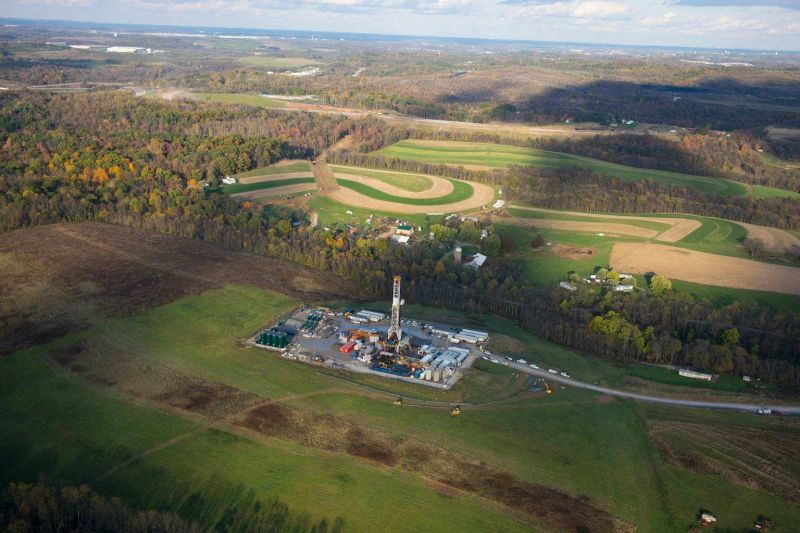
Oil and Gas Buffer Land
Utilize advanced AI technology for real-time tracking of bee colonies, ensuring optimal health and sustainability.reclaimed or buffer land near oil fields, once cleaned up, planted with native wildflowers, and managed with minimal chemicals, can become useful pollinator habitat
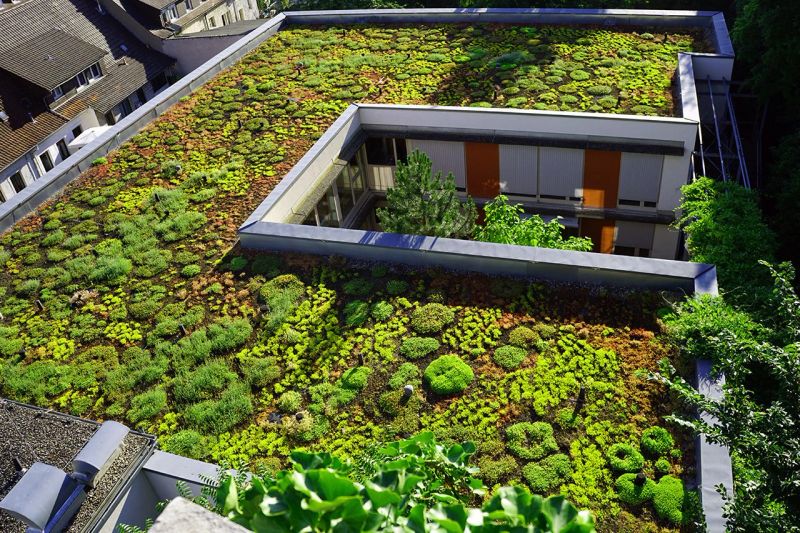
Rooftop Greenspaces
Gain actionable insights on environmental health data, essential for fostering sustainable agricultural practices. Rooftop spaces of businesses can provide ideal areas for bees to flourish.
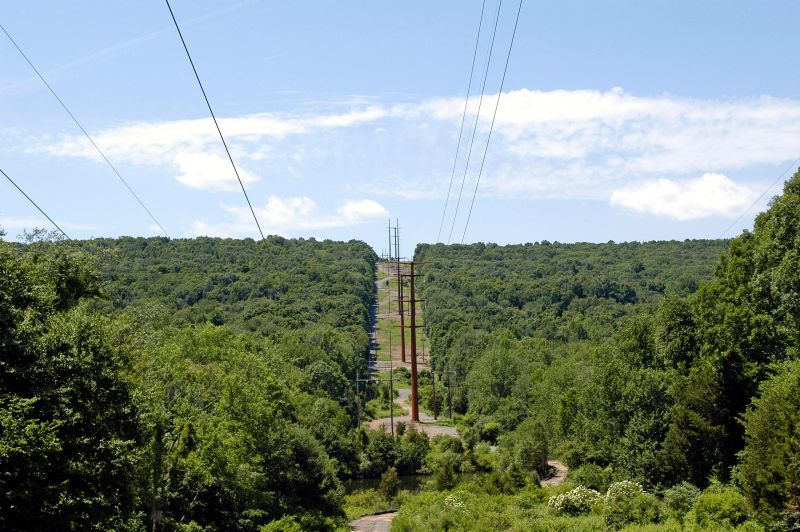
Unused Utility Land
If companies converted outer portions of land for telephone poles into native wildflower strips and nesting habitat (and keep pesticides low), bees will use it much like any other “working lands” buffer or easement.
Benefits of the Hive Host for Bees
Partnering with GPI Live turns unused land into one of the most powerful, visible sustainability investments a company can make. By dedicating small portions of rooftops, buffer zones, easements, roughs, or non‑productive land to bee homes and pollinator habitat, large organizations unlock value far beyond the fence line.
Why it makes business sense- Unlocks underused assets
Parking‑lot edges, land around data centers and substations, golf course out‑of‑play areas, rail corridors, and rooftops can all host bee homes without disrupting core operations. Instead of sitting idle, these spaces become living infrastructure that supports biodiversity and environmental resilience. - Supports incentives and approvals
Thoughtful pollinator projects can strengthen eligibility for conservation and sustainability incentives, and show regulators and municipalities that every new site or expansion comes with measurable environmental benefits. That can help smooth the path for permits and community approvals.
- Boosts ESG and reporting
Bee homes and pollinator corridors are tangible proof of climate and biodiversity action. They feed directly into ESG reports, sustainability goals, and emerging nature‑related disclosures, with clear metrics: number of sites, acres restored, hive health indicators, and regional environmental insights. - Creates a strong sustainability story
A refinery with a pollinator zone, a data center with rooftop hives, a golf course with dedicated bee acres, or a railway with flowering verges all tell a compelling story about industry and nature working together. These projects become powerful content for annual reports, customer communications, investor decks, and on‑site storytelling. - Engages employees and communities
Bee homes are a natural focal point for employee engagement, education, and volunteer programs. They turn forgotten corners into places of pride, where staff, customers, and local communities can see and experience the company’s commitment to the planet.
By providing land and funding for bee homes, companies don’t just “sponsor hives”—they help build the Global Pollinator Index: a connected network of living, data‑rich sites that measure environmental health and guide smarter action worldwide.
The Numbers Behind Hive Hosts Decisions
Frequently Asked Questions about Hive Hosting
What is the Hive Host program?
A Hive Host is a company, school, or property owner that offers unused space—like rooftops, courtyards, fields, or campus edges—for professionally managed beehives. The host benefits from increased pollination, a visible sustainability project, and data about local environmental health for a global pollinator index, while trained beekeepers handle all hive care, equipment, and maintenance.
How does the monitoring process work?
The Hive Host program uses AI technology to analyze data from our specially designed bee homes. This includes monitoring factors such as temperature, humidity, and bee activity, allowing for continuous assessment of the hive's health and early detection of potential issues. The homes can even remediate some issues.
Is there a cost associated with participating in the Hive Host program?
Yes, the Hive Host program comes with a subscription model tailored to various needs and scales. Each bee home will be monitored by a professional Bee Keeper in the area of your hosting of the bee home. We try to offset the costs with county and municipality considerations. In some cases we can have partners help offset costs.
What support is available for Hive Host users?
Participants in the Hive Host program receive dedicated customer support, including assistance with setup, ongoing maintenance, and troubleshooting. Our team is committed to ensuring your experience is seamless and enriching.
What will happen with the data?
The Hive Host data will be provided to the host in a report monthly, and will be stored with one of our Technology partners. The data will be aggregated and dashboarded to provide a worldwide Global Pollinator Index
What is the benefits of hosting these bee homes?
Many of the Hive Hosts have different reasons for hosting a bee home. For some its to have tax benefits or fast approval for changes by their county, for others its for ESG reporting, and still for others it is a marketing story benefit for a feel good environmental story. The main benefit is to help the world with world health.
Can Hive Host be integrated with other agricultural technologies?
Absolutely. Hive Host is designed to be compatible with various agricultural technology solutions to provide a comprehensive overview of your farming efforts, enhancing sustainability and productivity.