Global Pollinator Index™
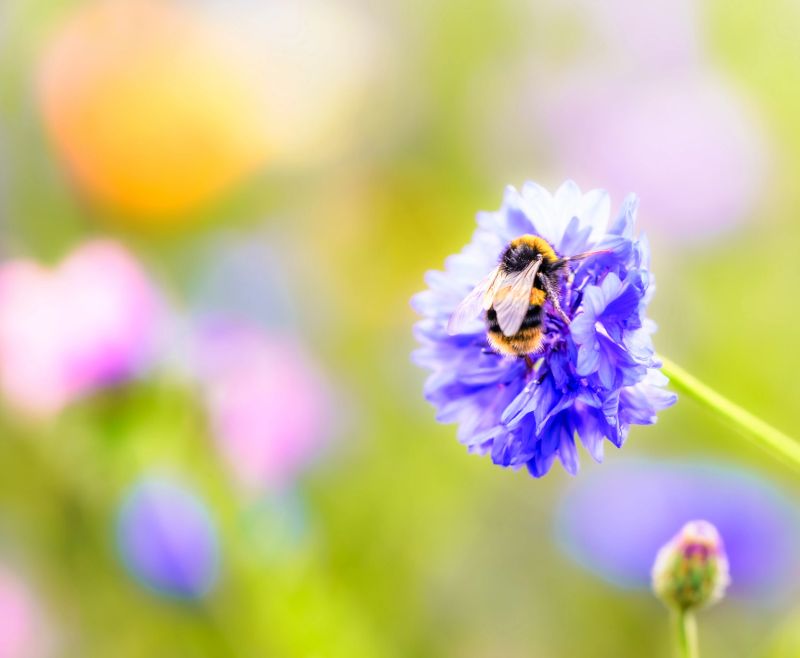
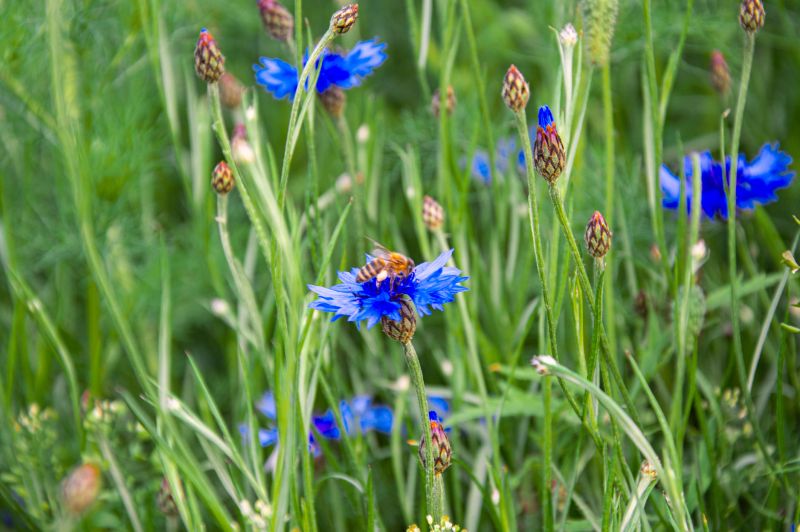
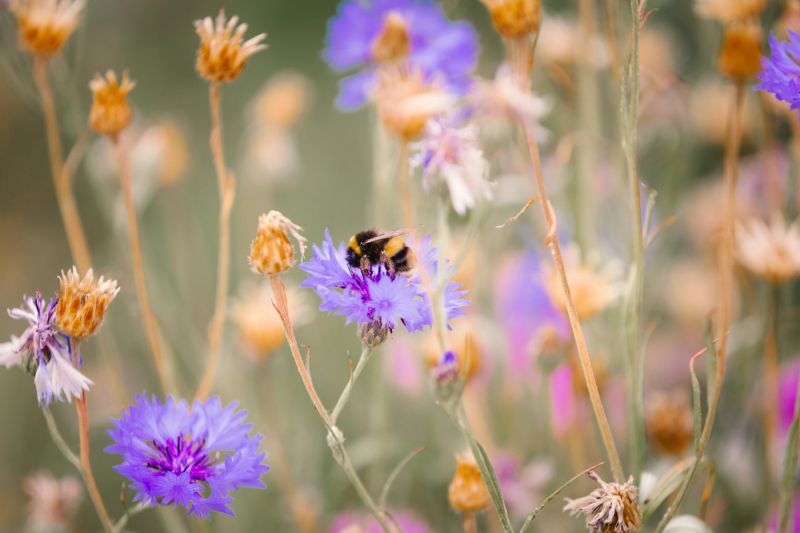
Macro image of a bumblebee getting nectar and pollen from a cornflower in a wildflower meadow.

Real-Time Bee Health Monitoring Globally

Utilizing advanced AI technology, our platform offers a global single standard to scientifically get similar data from disparate areas of the globe to have a cohesive story..
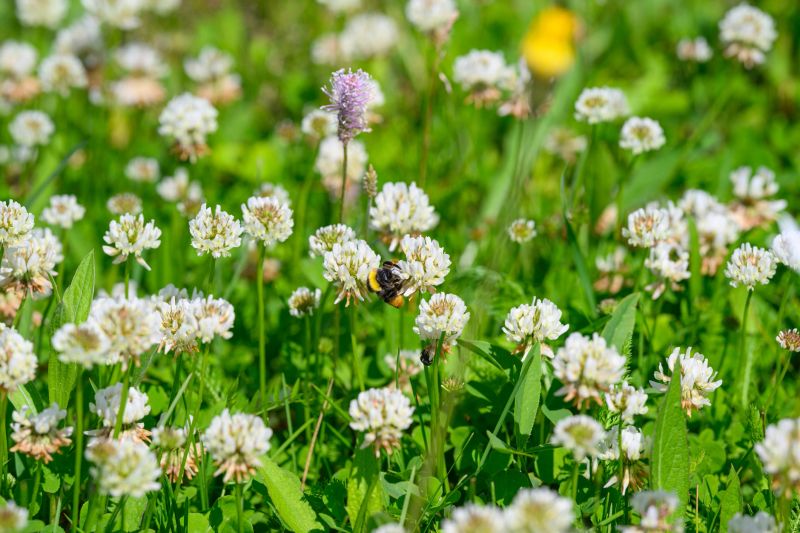
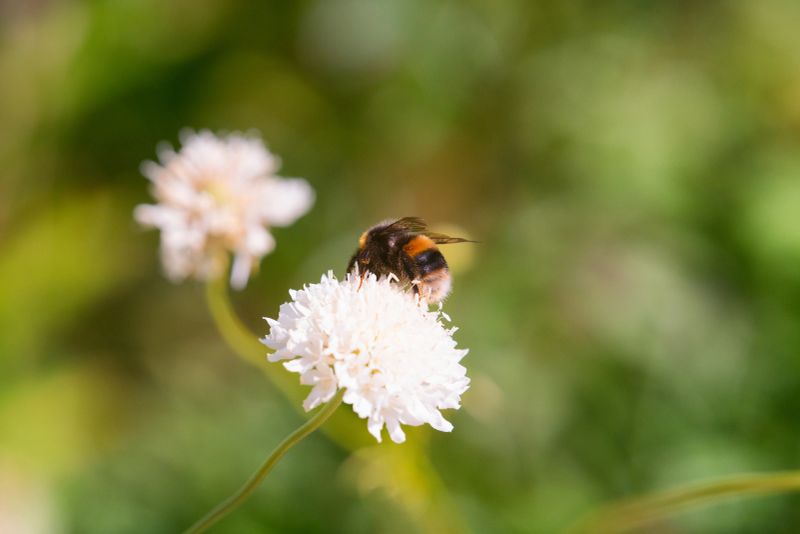
A vibrant spring meadow filled with delicate white clover flowers and buzzing bumblebees amongst lush green grass
Comprehensive Environmental Data Analysis

Access localized environmental health data to understand the factors affecting pollinator habitats and make informed agricultural decisions by looking at trends from around the world
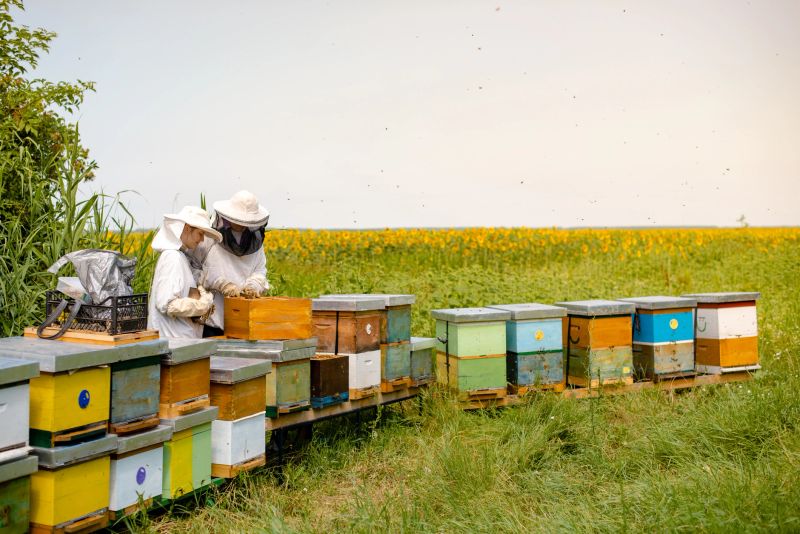
Father and daughter beekeepers are working in their bee farm
User-Friendly Dashboard

Navigate an intuitive interface that consolidates vital statistics, helping users easily implement sustainable practices in beekeeping and agriculture. Creating a single dashboard for the world to view of bee health provides a heat map of healthy locations

The Data Behind Pollinator Health
75%
of major crops rely on pollinators for yield.
1 in 4
bee species face extinction threats globally.
50%
decline in bee populations in the last 50 years in North America.
80%
of flowering plants need pollinators to reproduce.
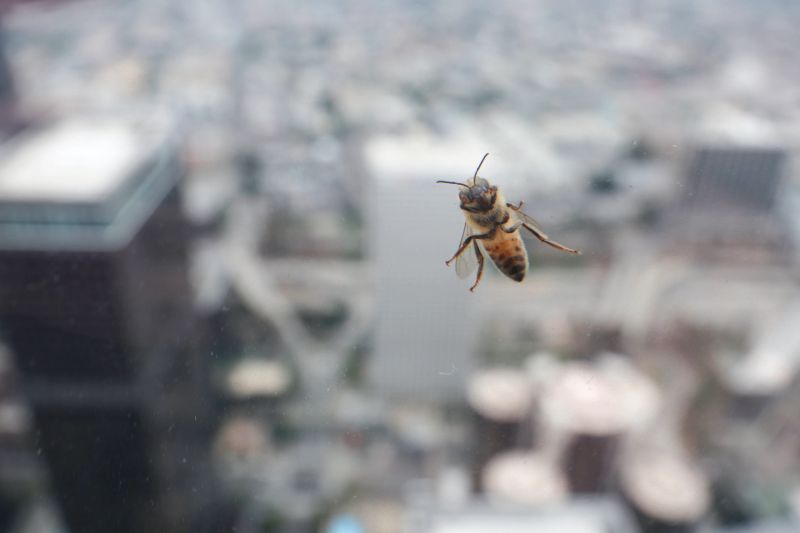
One bee hanging on a widow high up on a tall skyscraper with a shallow depth of field showing a blurry cityscape behind

What is the Global Pollinator Index™

The Index

The Global Pollinator Index™ is a global scoring system that measures how friendly different places are to bees and other pollinators, using both habitat and data from real hives. It works by turning many small sites—rooftop hives, golf-course meadows, utility corridors, business parks—into “nodes” that report on pollinator activity and local environmental conditions. Each city, county, or company earns a higher position in the index as it adds more high-quality habitats, installs more monitored hives, and maintains healthier pollinator populations over time. The result is both a live dashboard of environmental health and a kind of sustainability leaderboard: a simple way to see who is creating meaningful space for pollinators—and where action is still urgently needed.

The Why

The why behind the Global Pollinator Index is simple: what we don’t measure, we can’t truly protect. Bees and other pollinators are quietly holding up our food systems and ecosystems, but most cities, companies, and governments have almost no real‑time understanding of how they’re doing. The Index turns scattered efforts—one rooftop hive here, a wildflower strip there—into a coherent signal about environmental health, revealing which places are creating real habitat and which are still falling short. It gives leaders a clear, comparable score to aim for, unlocks data that can guide smarter climate and land‑use decisions, and turns “helping the bees” from a nice story into something visible, measurable, and impossible to ignore.

The Bennefits

The Global Pollinator Index creates shared value for everyone involved. Hive Hosts gain a visible, on‑site sustainability asset—beautiful habitat, engaged employees and customers, and concrete data they can use in ESG reports and marketing. Municipalities benefit from more green infrastructure without having to buy all the land themselves, plus stronger eligibility for nature‑ and climate‑related funding and a data‑backed way to show environmental leadership to residents and investors. Technology partners win by powering the data layer of a growing global network: they host and analyze rich, real‑time environmental signals from thousands of hives, showcase advanced AI and analytics capabilities, and co‑own an open, credible metric that companies and cities will rely on to track their nature‑positive progress. Together, these partners turn bee homes into both living habitat and shared intelligence about the health of our world.
Macro photo of working bees on honeycombs. Beekeeping and honey production image.

Global Pollinator Index Partner Levels

Hive Hosts

On the Pollinator Index for Hive Hosts there are four levels :

-Planetary- 50 plus locations globally

-Continental- 20 - 49 locations

-Country- 5 to 19 locations

-Regional- 1 to 5 locations

Municipality

On the Pollinator Index for

Municipalities there are three levels :

-Gold- 10 bee homes

-Silver- 5 bee homes

-Bronze- 1 bee home

Technology

On the Pollinator Index for Technology companies there are four levels :

-Global

-Innovative

-Foundational

-Ally

Index Points of data

Global Companies

Across the world, major companies sit on vast areas of underused parking lots, fields around data centers, oil sites buffers, parks, and the tops of buildings. All of these spaces could be transformed into bee habitat and turned into powerful data nodes, helping monitor pollinator health and generate the insights we need to protect the planet.
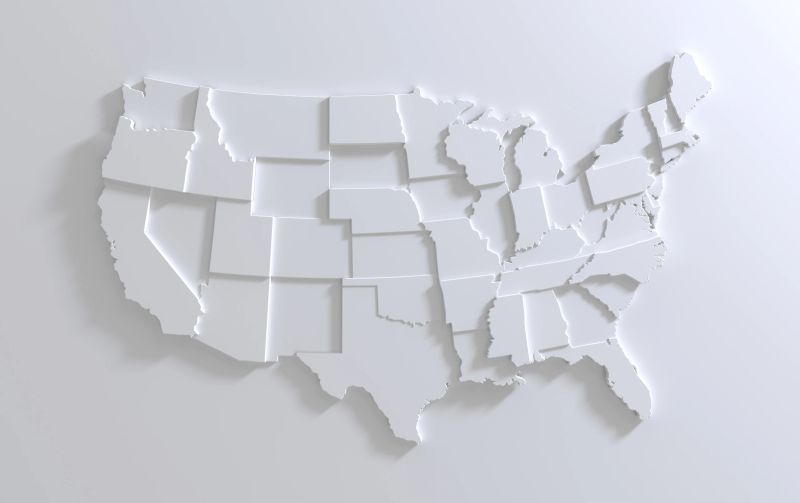
United States Of America map on white background. Tiered 3d render of empty USA territory. Country poster for travel materials, print, banner and web. Geographic area levels visualization.

Building Tops

If we placed just five bee homes on rooftops in every medium‑sized city in the US, within three months we could generate enough insight to start predicting broader environmental health trends across the planet.

Golf Courses

Transform complex pollinator data into engaging visuals, making insights accessible and actionable for everyone.If every golf course dedicated just five acres of its unused or out‑of‑play land to bee habitat, we could turn fairways into one of the largest connected pollinator networks on the planet. Those acres wouldn’t just support healthier bees and landscapes around each course—they would also serve as living sensor grids, helping us understand environmental health and change across entire regions.

Understanding the Vital Role of Pollinators in Agriculture

Pollinators like bees are indispensable to global food production, facilitating the growth of over 75% of the world's flowering plants. By monitoring their health and behavior through advanced AI technology, we can create a sustainable future for agriculture. The Pollinator Index provides insights into pollinator populations and their diverse ecosystems, underpinning efforts to enhance environmental health and agricultural practices. Join us in fostering a harmonious relationship with nature, where healthy pollinators lead to abundant harvests.

While understanding bees, we understand their particular regions they are thriving in. We can understand areas they thrive, and help areas they don't. The index is a way to gather information from hundreds of areas around North America and the world.